

As a supplier of sliding partitions, I've witnessed firsthand the widespread appeal and practicality of fabric sliding partitions in various settings, from commercial spaces to residential areas. These partitions offer a flexible and aesthetically pleasing solution for dividing large rooms into smaller, more functional areas. However, like any product, fabric sliding partitions come with their own set of disadvantages that potential buyers should be aware of before making a purchase decision.
Durability Concerns
One of the primary disadvantages of fabric sliding partitions is their relatively low durability compared to other partition materials such as glass, metal, or wood. Fabric is a soft and porous material that is prone to wear and tear over time, especially in high-traffic areas. The constant sliding and rubbing against the tracks can cause the fabric to fray, fade, or develop holes, reducing its lifespan and overall appearance.
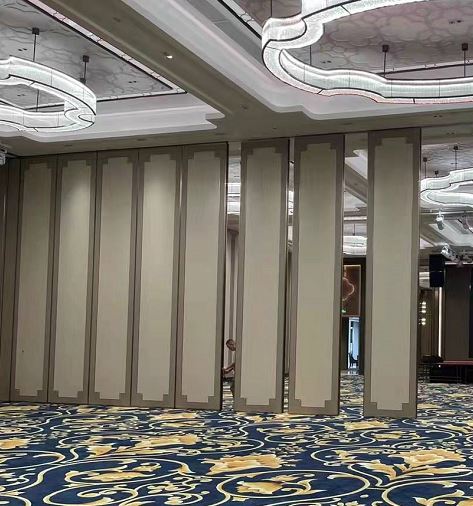

In addition, fabric is highly susceptible to damage from spills, stains, and moisture. Even minor spills can leave permanent marks on the fabric, and if not cleaned immediately, they can attract dirt and bacteria, leading to unpleasant odors and hygiene issues. In humid environments, fabric can also develop mold and mildew, which not only damages the partition but can also pose a health risk to occupants.
Limited Sound Insulation
Another significant drawback of fabric sliding partitions is their limited sound insulation capabilities. While fabric can absorb some sound, it is not as effective as solid materials such as glass or metal in blocking out noise. This makes fabric sliding partitions less suitable for use in areas where sound privacy is a priority, such as conference rooms, bedrooms, or home theaters.
In commercial settings, such as restaurants or offices, the lack of sound insulation can be particularly problematic. Conversations and noise from one area can easily carry over to another, creating a noisy and distracting environment for customers and employees. This can have a negative impact on the overall customer experience and productivity levels.
Maintenance Requirements
Fabric sliding partitions require regular maintenance to keep them looking and functioning their best. Unlike other partition materials that can be easily wiped down or cleaned with a damp cloth, fabric requires more specialized cleaning methods. Depending on the type of fabric, it may need to be vacuumed, spot cleaned, or even dry cleaned to remove dirt, stains, and odors.
In addition to cleaning, fabric sliding partitions also need to be inspected regularly for signs of damage or wear. Loose threads, frayed edges, or damaged zippers should be repaired immediately to prevent further damage and ensure the partition's longevity. This can be time-consuming and may require the assistance of a professional cleaner or repair service.
Fire Safety Concerns
Fabric is a flammable material, which raises concerns about fire safety. In the event of a fire, fabric sliding partitions can quickly catch fire and spread flames, increasing the risk of injury and property damage. To address this issue, some fabric partitions are treated with fire-retardant chemicals to reduce their flammability. However, these treatments may not be 100% effective, and over time, the fire-retardant properties may wear off.
In addition, fire-retardant fabrics may release toxic fumes when burned, which can be harmful to occupants. This is a particular concern in enclosed spaces such as offices or residential buildings, where the fumes can quickly accumulate and pose a serious health risk.
Design Limitations
While fabric sliding partitions offer a wide range of design options, they also have some limitations. Unlike other partition materials that can be customized to fit any space or design style, fabric partitions are typically available in standard sizes and designs. This can make it difficult to find a partition that perfectly matches the existing decor or meets specific design requirements.
In addition, fabric partitions may not be as versatile as other partition materials in terms of functionality. For example, they may not be able to support heavy objects or equipment, making them less suitable for use as a workstation or storage area. They also may not be able to provide the same level of privacy as solid partitions, as the fabric is often translucent or semi-transparent.
Cost Considerations
Finally, fabric sliding partitions can be more expensive than other partition materials, especially when considering the cost of installation, maintenance, and replacement. While the initial cost of a fabric partition may be lower than that of a glass or metal partition, the long-term costs can add up quickly.
In addition, fabric partitions may need to be replaced more frequently than other partition materials due to their limited durability. This can result in additional costs for purchasing and installing new partitions, as well as the cost of disposing of the old ones.
Conclusion
Despite their disadvantages, fabric sliding partitions can still be a viable option for many applications. They offer a flexible and aesthetically pleasing solution for dividing large rooms into smaller, more functional areas, and they can be customized to fit a variety of design styles. However, it is important to carefully consider the potential drawbacks before making a purchase decision.
If durability, sound insulation, or fire safety are major concerns, it may be worth considering other partition materials such as glass, metal, or wood. On the other hand, if aesthetics and flexibility are your top priorities, and you are willing to invest in regular maintenance and replacement, fabric sliding partitions may be a suitable choice.
If you are interested in learning more about our Movable Restaurant Partitions, Sliding Acoustic Partition, or Sliding Partition Panels, please feel free to contact us to discuss your specific needs and requirements. Our team of experts will be happy to assist you in finding the perfect partition solution for your space.
References
- "The Pros and Cons of Fabric Sliding Partitions." Home Decor Ideas. Accessed [Date].
- "Sound Insulation in Buildings: A Guide." Building Research Establishment. Accessed [Date].
- "Fire Safety in Buildings: A Guide." National Fire Protection Association. Accessed [Date].