

If you're here, you've probably just started researching acoustic panels for your space-maybe you're fixing a echoey home studio, outfitting a cozy coffee shop where conversations don't turn into shouting matches, or even upgrading your home theater. And one question that's almost always top of mind when looking at fabric acoustic panels is: "Can I actually pick my own fabric?"
Let me get this straight straight up: You absolutely can. I'm a supplier who's been doing this for years, and I've heard every reason under the sun for why someone wants to choose their own fabric. Maybe your office has a specific brand color that's way off from the plain gray panels most come in. Maybe you're designing a kid's playroom and want fabric with dinosaurs or superheroes. Or maybe you just hate the limited color options standard panels come with. The short answer is: We fully support custom fabric choices, but there are a few things you need to know before you dive in.
First, let's break down why the fabric on an acoustic panel matters so much. It's not just for looks, I promise. The fabric wraps around the sound-absorbing core (usually fiberglass, foam, or mineral wool) and is the first thing sound hits when it bounces into the panel. So if you pick the wrong fabric, it can actually mess with the panel's ability to absorb sound-who knew, right? That's why a lot of people assume you're stuck with pre-selected fabrics, but that's not the case. We work with clients all the time to source or use their own fabric, as long as it meets a few key requirements.
Let's start with the basics: what makes a fabric good for acoustic panels. Not all fabric is created equal, especially when sound is involved. The ideal fabric is lightweight, porous, and has a tight weave-wait, let me explain that. Porosity is how many small holes are in the fabric, and that's super important because sound waves need to pass through the fabric to get to the sound-absorbing core. If the fabric is too tightly woven, like some canvas or heavy polyester, sound can't get through, and the panel won't work as well. Lightweight fabrics (think cotton, linen, or lightweight polyester blends) usually have the right amount of porosity. The weave also matters-open weaves work better than super tight ones, but not so open that the core shows through the fabric, which would look messy.
We've got a whole page dedicated to fabric for sound panels, so if you just want to browse pre-vetted options that work perfectly with our panels, that's easy. But if you have your own fabric in mind, or you want something custom, that's where things get fun. A lot of clients come to us with fabric they found at a local store, or fabric they used for another project, and want to use that for their acoustic panels. We've done everything from velvet (it works, by the way, as long as it's lightweight) to custom printed fabric for a restaurant's logo.
Wait, let's talk about custom printed acoustic fabric because that's a big one. A lot of businesses want to brand their space, or have a unique design that fits their aesthetic. Whether it's a coffee shop logo, a pattern that matches their interior decor, or even art that ties into the space's theme, custom printed fabric is totally doable. We can work with you to get your design printed on acoustic-grade fabric that's lightweight and porous, so it still absorbs sound like it should. That's a game-changer for anyone who wants panels that don't just work well, but look like they belong in the space, not like an afterthought.
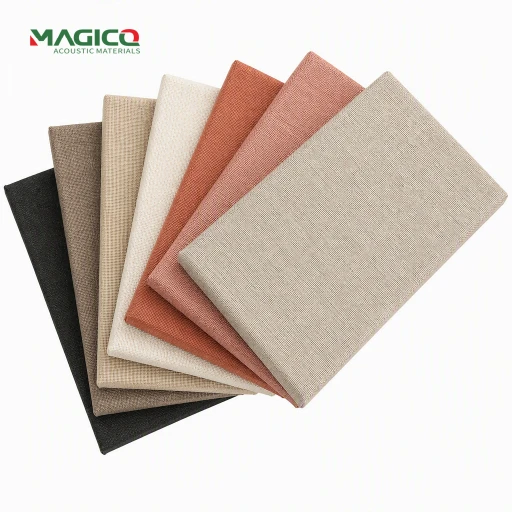
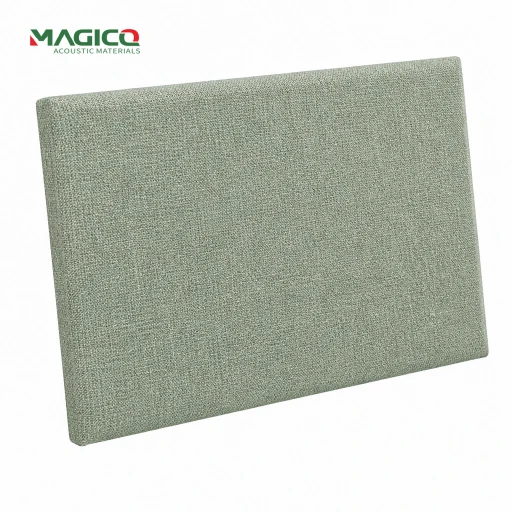
But here's the thing: when you bring your own fabric, we have to test it first. I can't just take any fabric and wrap a panel with it and call it a day. We need to make sure it'll actually work for sound absorption. So what do we test? First, the porosity-we use a simple air permeability test, where we measure how much air passes through the fabric in a certain amount of time. If it passes the minimum (which is around 10 CFM per square foot, for those who care about numbers), it's good to go. We also check the weight-fabric that's too heavy (over 8 ounces per square yard) is usually too dense, so sound can't get through. And we check durability, especially if the panels are going in high-traffic areas where they might get touched or bumped.
We've had a few cases where clients brought fabric that didn't pass the test, and we have to be honest with them-sadly, their chosen fabric won't work for acoustic panels. But that doesn't mean you're stuck. We can help you pick a similar fabric that meets the requirements, or if you love a fabric that's a bit too dense, we might have workarounds (like a different core type that pairs better with it). Last year, a client brought a really nice heavy wool fabric for their home studio, and it didn't pass our porosity test. Instead of saying no, we found a lighter wool blend that looked almost identical, worked perfectly for sound absorption, and fit their budget. They ended up being way happier than if we'd forced them to use a fabric they didn't love.
Another big point: installation. When you choose your own fabric, the process is almost the same as our standard panels, right? We build the core, wrap it with your fabric, and frame it (if you want a frame) to make it look clean. We use a stretched-wrap method that keeps the fabric tight, so there are no wrinkles or sagging. For larger panels, we might use a slightly different technique, but nothing too complicated. A lot of our clients don't even notice the difference between a standard panel and a custom fabric panel once it's installed.
Wait, let's talk about sound deadening fabric too-some people use that term interchangeably, but it's a bit different. Sound deadening is more about blocking sound from going through a wall or ceiling, while acoustic panels are about absorbing sound in a room. But if you're looking for fabric that does both, we have options for that too. If your custom fabric is a sound deadening type, we can still use it for panels, but we'll adjust the core to make sure it's absorbing sound correctly. That's one of the perks of working with a supplier who knows their stuff-we can tweak things to fit your needs, not just stick to what we have in stock.
I should also mention some common myths, because I hear them all the time. First myth: "If I use my own fabric, it'll ruin the warranty." No, that's not true. We stand behind our acoustic panels, even if you bring your own fabric-we just make sure the fabric meets our requirements so the panel works as intended. Second myth: "Custom fabric is way more expensive." It can be, but not always. If you pick a fabric that's already acoustic-grade (like the ones we have on our acoustic fabric wall panels page), it might actually be the same price as our standard options. If you have your own fabric, we charge a small fabric handling fee, but that's just to test the fabric and make sure it works, not to rip you off. Third myth: "It takes way longer." Lead times are usually just a few extra days, because we have to test the fabric, but most of the time it's not a big delay. We've had clients get their custom fabric panels in a week and a half, same as standard ones.
Let's chat about a real example, because that always helps. Last quarter, a local yoga studio came to us. They wanted acoustic panels for their shala to reduce echo and make it easier for instructors to be heard, but their whole space was decorated in soft neutrals with a faint mandala pattern. Our standard panels came in basic white, gray, and black-nothing matched their decor. They had a sample of the fabric they'd picked out for their yoga mats (a lightweight, linen-blend in a soft beige with a subtle mandala weave) and asked if we could use that. We tested it, it passed the porosity test with flying colors, and we wrapped 20 panels with it. The studio owner was blown away-she said the panels looked like they were part of the space, not like sound equipment, and the echo was gone. That's exactly what we love doing.
So what's the process if you want to choose your own fabric? It's super simple, actually. First, reach out to us-you can send pictures of the fabric, a link to it if it's online, or even a swatch if you have one. Our team will test it and let you know if it works, or suggest alternatives if it doesn't. If it works, we'll give you a quote-based on the size of the panels, the amount of fabric you need, and any custom details (like shapes, framing, etc.). Then you send us the fabric (or we can source it for you if you don't want to deal with shipping), we build the panels, and ship them to you. It really is that easy.
Wait, I should mention size and quantity, because that affects everything. If you have a small quantity of fabric (like a yard or two), that's fine-we can usually use that for panels, as long as the panels aren't too big. For larger projects (like an office with 50 panels), you'll need to have enough fabric to cover all the panels, plus a little extra for mistakes. We'll let you know exactly how much fabric you need once we have the panel sizes sorted out. And if you're using custom printed fabric, you'll need to get the design printed to our specs (we can share what those are-usually just fabric that's 54 inches wide, which is standard), and we'll handle the wrapping.
Is there any downside to choosing your own fabric? Honestly, not many, but one thing to keep in mind is that some fabrics might show wear more than others. Like, if you pick a light-colored fabric, it might get scuffs or stains easier than a dark one. But that's true of any fabric, not just acoustic panel fabric. We can also suggest fabrics that are easier to clean if that's a concern-like performance polyesters that are stain-resistant. Another thing: if you have a really unique fabric (like leather or suede), it might be more expensive to work with, because wrapping it around panels is a bit trickier than regular fabric. But again, that's a rare case.
At the end of the day, acoustic panels should do two things: work well for sound, and look good in your space. If you're stuck with generic fabric, you might end up with panels that sound great but stick out like a sore thumb. That's why we make it a point to let clients choose their own fabric, or work with them to find the right custom fabric for their needs. We've had clients from all kinds of spaces-home studios, restaurants, schools, offices, even bedrooms-all choose custom fabric, and none have regretted it.
If you're thinking about using your own fabric for your fabric covered sound absorbing panels, don't hesitate to reach out. We can answer any questions you have, test your fabric, and help you make sure your panels are perfect for your space. Whether you have a specific fabric in mind, want to browse our pre-vetted options, or need help designing custom printed acoustic fabric, we're here to help. Just shoot us a message or give us a call, and we can walk through every step together.
Now you don't have to settle for boring, generic acoustic panels. You can have panels that sound amazing, fit your style, and make your space feel exactly how you want it. That's the whole point, right? A space that works for you, not against you. So go ahead-pick that fabric you love, and let's make some great acoustic panels.
If you're ready to chat more about your project, including custom fabric options for your acoustic panels, feel free to reach out and start the conversation. We'd love to help you create panels that sound good and look even better.
References:
- Acoustic Fabric Technical Guidelines, Sound Engineering Association, 2022
- "Choosing Fabrics for Acoustic Panels", Interior Design for Functional Spaces, 2023
- Air Permeability Standards for Acoustic Materials, ASTM International, 2021
- Custom Wrapping Processes for Acoustic Panels, Fabric Panel Manufacturers Association, 2022
We offer OEM and ODM product customization services, providing a one-stop acoustic solution. If you have any acoustic requirements, please contact us for technical support, product catalog, detailed product quotations, and free sample provision.
Our address
China Guang dong Room 306, Building D, No. 61, Zhuji Road
Phone Number/whatsapp
18127974693
info@mq-acoustics.com
