

Installing ceiling acoustic in a balcony can significantly enhance the comfort and functionality of this outdoor space. As a ceiling acoustic supplier, I've witnessed firsthand the transformative power of proper acoustic treatments. In this blog, I'll guide you through the process of installing ceiling acoustic in a balcony, sharing valuable insights and tips along the way.
Understanding the Importance of Ceiling Acoustic in a Balcony
Before delving into the installation process, it's crucial to understand why ceiling acoustic is essential for a balcony. Balconies are often exposed to various external noises, such as traffic, construction, and neighbors. These noises can disrupt your peace and relaxation, making it challenging to enjoy your balcony to the fullest.
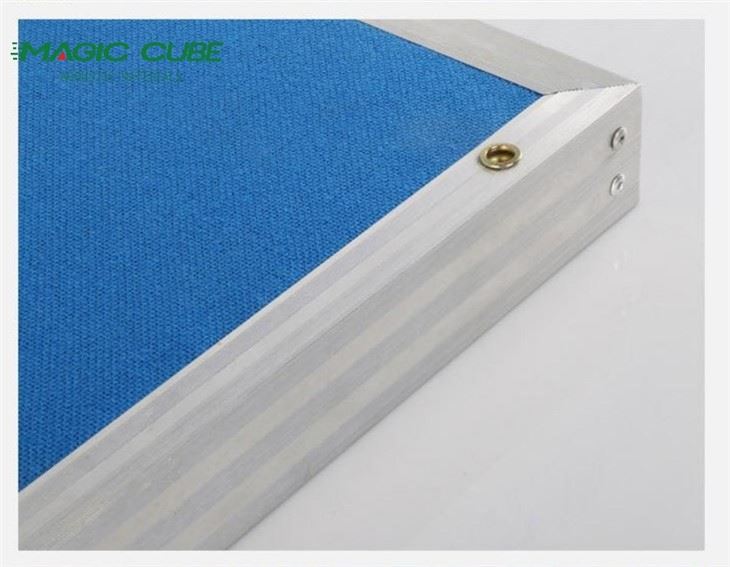

Ceiling acoustic materials are designed to absorb and dampen sound waves, reducing noise levels and creating a more peaceful environment. By installing ceiling acoustic in your balcony, you can minimize the impact of external noises, allowing you to enjoy conversations, music, or simply the tranquility of the outdoors without distractions.
In addition to noise reduction, ceiling acoustic can also improve the overall aesthetics of your balcony. Many acoustic materials come in a variety of colors, textures, and designs, allowing you to choose a style that complements your balcony's existing decor. Whether you prefer a modern, minimalist look or a more traditional, rustic style, there's a ceiling acoustic solution that's perfect for you.
Choosing the Right Ceiling Acoustic Materials
The first step in installing ceiling acoustic in a balcony is choosing the right materials. There are several types of ceiling acoustic materials available on the market, each with its own unique properties and benefits. Some of the most common types of ceiling acoustic materials include:
- Sound Absorbing Suspended Ceiling: A Sound Absorbing Suspended Ceiling is a popular choice for balconies because it's easy to install and provides excellent sound absorption. This type of ceiling consists of a grid system that's suspended from the ceiling, with acoustic panels or tiles installed within the grid. Sound absorbing suspended ceilings are available in a variety of materials, including fiberglass, mineral wool, and polyester, each with its own unique sound absorption properties.
- Suspended Acoustic Ceiling Baffles: Suspended Acoustic Ceiling Baffles are another popular option for balconies. These baffles are typically made of fiberglass or polyester and are suspended from the ceiling using wires or rods. Suspended acoustic ceiling baffles are designed to absorb sound waves from multiple directions, making them ideal for large, open spaces like balconies.
- Suspended Acoustic Baffles: Suspended Acoustic Baffles are similar to suspended acoustic ceiling baffles, but they're typically smaller and more decorative. These baffles are often used to add a touch of style to a balcony while also providing sound absorption. Suspended acoustic baffles are available in a variety of shapes, sizes, and colors, allowing you to choose a style that complements your balcony's existing decor.
When choosing ceiling acoustic materials for your balcony, it's important to consider several factors, including the size and shape of your balcony, the level of noise you're trying to reduce, and your budget. It's also a good idea to consult with a professional acoustic consultant or installer to ensure that you choose the right materials for your specific needs.
Preparing Your Balcony for Installation
Once you've chosen the right ceiling acoustic materials for your balcony, the next step is to prepare your balcony for installation. This involves several tasks, including:
- Cleaning the Ceiling: Before installing ceiling acoustic materials, it's important to clean the ceiling thoroughly to remove any dirt, dust, or debris. This will ensure that the acoustic materials adhere properly to the ceiling and provide optimal sound absorption.
- Measuring the Ceiling: It's also important to measure the ceiling accurately to determine the amount of acoustic materials you'll need. This will help you avoid over- or under-ordering materials, which can save you time and money.
- Marking the Installation Points: Once you've measured the ceiling, you'll need to mark the installation points for the ceiling acoustic materials. This will ensure that the materials are installed evenly and securely.
Installing the Ceiling Acoustic Materials
Once you've prepared your balcony for installation, the next step is to install the ceiling acoustic materials. The installation process will vary depending on the type of materials you've chosen, but the general steps are as follows:
- Install the Grid System: If you're using a sound absorbing suspended ceiling, the first step is to install the grid system. This involves attaching the grid to the ceiling using screws or nails, making sure that it's level and secure.
- Install the Acoustic Panels or Tiles: Once the grid system is installed, you can begin installing the acoustic panels or tiles. This involves placing the panels or tiles within the grid, making sure that they're snugly fit and properly aligned.
- Install the Suspended Acoustic Baffles: If you're using suspended acoustic ceiling baffles or suspended acoustic baffles, the installation process is similar. This involves suspending the baffles from the ceiling using wires or rods, making sure that they're evenly spaced and properly aligned.
Testing the Acoustic Performance
Once you've installed the ceiling acoustic materials, it's important to test the acoustic performance of your balcony. This involves measuring the noise levels in your balcony before and after the installation to determine the effectiveness of the acoustic treatments.
There are several tools and techniques available for measuring noise levels, including sound level meters and acoustic testing software. It's a good idea to consult with a professional acoustic consultant or installer to ensure that you use the right tools and techniques for your specific needs.
Maintaining Your Ceiling Acoustic
Once you've installed ceiling acoustic materials in your balcony, it's important to maintain them properly to ensure that they continue to provide optimal sound absorption. This involves several tasks, including:
- Cleaning the Acoustic Materials: Regularly cleaning the acoustic materials will help to remove any dirt, dust, or debris that may accumulate over time. This will ensure that the materials continue to provide optimal sound absorption.
- Inspecting the Installation: It's also important to inspect the installation regularly to ensure that the acoustic materials are still securely attached to the ceiling and that there are no signs of damage or wear.
- Replacing Damaged or Worn Materials: If you notice any signs of damage or wear to the acoustic materials, it's important to replace them as soon as possible. This will ensure that the materials continue to provide optimal sound absorption.
Conclusion
Installing ceiling acoustic in a balcony is a great way to enhance the comfort and functionality of this outdoor space. By choosing the right materials, preparing your balcony for installation, and following the proper installation and maintenance procedures, you can create a more peaceful and enjoyable environment on your balcony.
If you're interested in learning more about ceiling acoustic solutions for your balcony or other outdoor spaces, please don't hesitate to contact us. As a leading ceiling acoustic supplier, we have the expertise and experience to help you choose the right materials and install them properly to meet your specific needs. We look forward to hearing from you and helping you create the perfect acoustic environment for your balcony.
References
- Acoustical Society of America. (n.d.). Acoustics Basics. Retrieved from https://asa.aip.org/acoustics-basics
- International Organization for Standardization. (2009). ISO 354:2003 Acoustics - Measurement of sound absorption in a reverberation room. Geneva, Switzerland: ISO.
- National Research Council Canada. (n.d.). Acoustics and Noise Control. Retrieved from https://nrc.canada.ca/en/research-development/areas-expertise/building-construction/acoustics-noise-control