

In the realm of audio engineering and acoustic design, 3D sound diffusers play a pivotal role in creating an optimal listening environment. As a seasoned supplier of 3D sound diffusers, I've witnessed firsthand the transformative power of these devices in various settings, from recording studios and concert halls to home theaters and corporate meeting rooms. One of the most fascinating aspects of 3D sound diffusers is the wide range of shapes available, each with its own unique acoustic properties and aesthetic appeal. In this blog post, I'll delve into the different shapes of 3D sound diffusers, exploring their characteristics, applications, and how they can enhance the acoustic quality of any space.
Quadratic Residue Diffusers (QRDs)
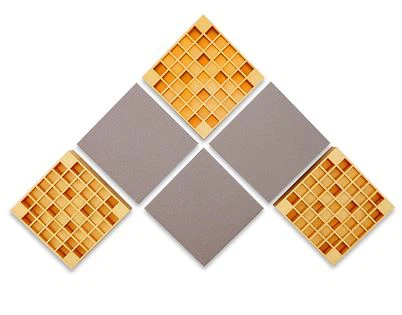
Quadratic Residue Diffusers are perhaps the most well - known type of 3D sound diffuser. They were first introduced by Manfred R. Schroeder in the 1970s. QRDs are based on a mathematical sequence known as quadratic residues, which determines the depth of each well or slot in the diffuser.
The key advantage of QRDs is their ability to provide a uniform diffusion of sound over a wide frequency range. This is crucial in spaces where a balanced acoustic environment is desired, such as recording studios. By scattering sound waves in a controlled manner, QRDs help to eliminate echoes and standing waves, which can cause audio artifacts and degrade the overall sound quality.
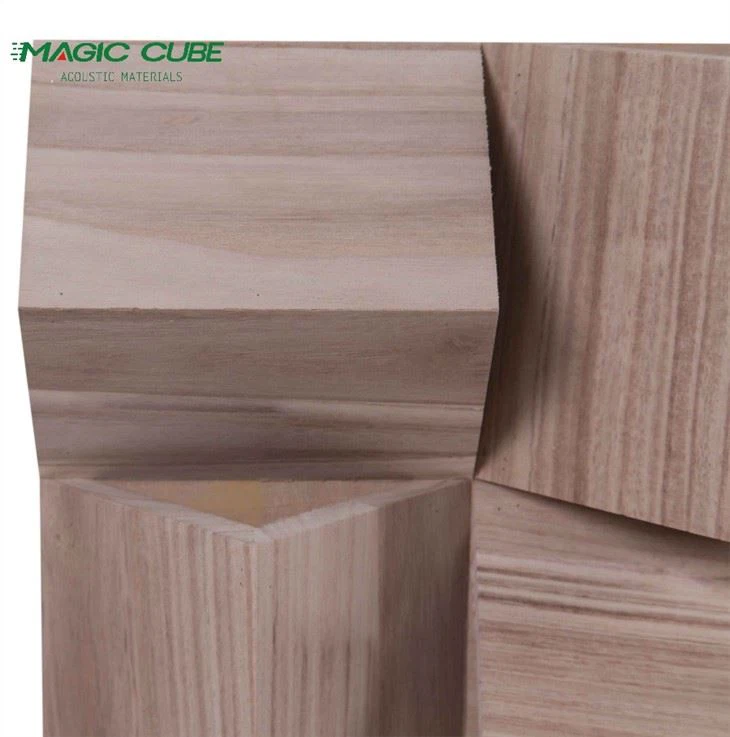
QRDs typically have a rectangular or square shape, with a series of wells or slots of varying depths. The shape of the individual wells can be either rectangular or trapezoidal. The rectangular - well QRDs are more common and are known for their simplicity and effectiveness. Trapezoidal - well QRDs, on the other hand, can offer slightly different diffusion characteristics, which may be beneficial in certain applications. For more information on high - quality QRDs made of wood, you can visit our Acoustic Wood Diffuser page.
Skyline Diffusers
Skyline diffusers, also known as step - diffusers, are another popular type of 3D sound diffuser. As the name suggests, they have a shape that resembles a city skyline, with a series of steps of different heights.
These diffusers are designed to provide a more broadband diffusion compared to some other types. They work by reflecting and scattering sound waves in multiple directions, creating a more natural and immersive acoustic environment. Skyline diffusers are often used in large concert halls and auditoriums, where they can help to distribute sound evenly throughout the space.
One of the benefits of skyline diffusers is their relatively simple construction. They can be easily fabricated using a variety of materials, including wood and fiberglass. The shape of the steps can be adjusted to optimize the diffusion characteristics for a specific frequency range or acoustic requirement. If you are interested in skyline diffusers that also act as sound absorbers, check out our Diffuser Sound Absorber page.
Helmholtz Resonator Diffusers
Helmholtz resonator diffusers are based on the principle of Helmholtz resonance. These diffusers consist of a series of cavities or chambers, each with a small neck or opening. When sound waves enter the neck of the resonator, they cause the air inside the cavity to vibrate at a specific frequency.
The main advantage of Helmholtz resonator diffusers is their ability to target specific frequencies. By adjusting the size and shape of the cavities and necks, these diffusers can be tuned to absorb or diffuse sound at particular frequencies. This makes them ideal for spaces where there are specific acoustic problems, such as low - frequency standing waves.
Helmholtz resonator diffusers can have a variety of shapes, including cylindrical, rectangular, and spherical. Cylindrical Helmholtz resonators are often used in smaller spaces, such as home theaters, while rectangular ones are more suitable for larger rooms. For high - quality solid wood Helmholtz resonator diffusers, visit our Solid Wood Sound Diffuser page.
Pyramid Diffusers
Pyramid diffusers are characterized by their pyramid - shaped elements. These diffusers work by reflecting and scattering sound waves in multiple directions, similar to other types of 3D diffusers.
Pyramid diffusers are known for their ability to provide a high degree of diffusion in a relatively small space. They are often used in corners of rooms, where they can help to break up sound reflections and improve the overall acoustic balance. The shape of the pyramids can be adjusted in terms of their height, base size, and angle to optimize the diffusion performance.
One of the aesthetic advantages of pyramid diffusers is their unique and visually appealing design. They can add a modern and stylish touch to any space, in addition to improving the acoustic quality.
Random Diffusers
Random diffusers, as the name implies, have a non - regular or random pattern of elements. These diffusers are designed to mimic the natural scattering of sound in an open environment.
Random diffusers can be created using a variety of shapes and materials. They are particularly effective in creating a more natural and spacious acoustic environment, as they scatter sound waves in a less predictable manner compared to other types of diffusers. Random diffusers are often used in spaces where a more organic and immersive sound experience is desired, such as art galleries and museums.
The design of random diffusers can be highly customized, allowing for a unique solution for each specific acoustic application. However, they require careful design and analysis to ensure that they provide the desired diffusion characteristics.
Choosing the Right Shape
When selecting a 3D sound diffuser for a particular space, several factors need to be considered. The first is the size and shape of the room. Larger rooms may require larger diffusers or a combination of different types of diffusers to achieve the desired acoustic effect. Smaller rooms, on the other hand, may benefit from more compact diffusers, such as pyramid diffusers.
The intended use of the space is also crucial. For example, a recording studio will have different acoustic requirements compared to a concert hall. In a recording studio, precise control over sound diffusion is essential to ensure accurate audio recording. In a concert hall, the goal is to create a more immersive and natural listening experience for the audience.
The frequency range of interest is another important factor. Different shapes of diffusers are more effective at different frequencies. For example, QRDs are generally good for broadband diffusion, while Helmholtz resonator diffusers can be tuned to specific frequencies.
Finally, the aesthetic aspect should not be overlooked. The diffusers should not only improve the acoustic quality but also blend in with the overall design of the space.
Conclusion
As a supplier of 3D sound diffusers, I understand the importance of choosing the right shape for each specific application. The wide range of shapes available, from quadratic residue diffusers to random diffusers, offers a wealth of options to meet the diverse acoustic needs of different spaces. Whether you are looking to enhance the sound quality in a recording studio, a concert hall, or a home theater, there is a 3D sound diffuser shape that can help you achieve your goals.
If you are interested in learning more about our 3D sound diffusers or would like to discuss your specific acoustic requirements, we invite you to contact us for a detailed consultation. Our team of experts is ready to assist you in selecting the most suitable diffusers for your project and ensuring that you achieve the best possible acoustic results.
References
- Beranek, Leo L. "Acoustics." American Institute of Physics, 1986.
- Kuttruff, Heinrich. "Room Acoustics." Spon Press, 2009.
- Møller, Henrik. "Architectural Acoustics." Springer, 2008.