

Sound insulation is a crucial aspect of modern living and working environments, offering a solution to the pervasive problem of noise pollution. As a leading supplier of sound insulation products, I have witnessed firsthand the transformative impact that effective sound insulation can have on spaces, from residential homes to commercial buildings. In this blog post, I will delve into the concept of sound insulation, exploring its principles, benefits, and the various products available in the market.
Understanding Sound Insulation
At its core, sound insulation refers to the ability of a material or structure to reduce the transmission of sound from one space to another. Sound is a form of energy that travels through the air in the form of waves. When these waves encounter a barrier, such as a wall or a floor, they can be reflected, absorbed, or transmitted through the material. Sound insulation aims to minimize the transmission of sound waves, creating a quieter and more comfortable environment.
The effectiveness of sound insulation is measured in decibels (dB) and is typically expressed as the Sound Transmission Class (STC) rating for walls, floors, and ceilings, and the Noise Reduction Coefficient (NRC) for acoustic panels and other sound-absorbing materials. The STC rating measures the ability of a partition to block airborne sound, while the NRC rating indicates the percentage of sound energy absorbed by a material.
Principles of Sound Insulation
There are several key principles that govern the design and performance of sound insulation systems:
- Mass: One of the most fundamental principles of sound insulation is the mass law, which states that the heavier a material, the better it is at blocking sound. This is because sound waves have more difficulty penetrating dense materials, as they require more energy to move the molecules in the material. For example, a thick concrete wall will generally provide better sound insulation than a thin plasterboard wall.
- Damping: Damping refers to the ability of a material to convert sound energy into heat energy, thereby reducing the amplitude of the sound waves. Materials with high damping properties, such as rubber and certain types of polymers, are often used in sound insulation applications to absorb and dissipate sound energy.
- Air gaps: Creating an air gap between two layers of material can significantly improve sound insulation performance. Air is a poor conductor of sound, and the air gap acts as a buffer, reducing the transmission of sound waves through the structure. Double-glazed windows, for example, use an air gap between two layers of glass to improve sound insulation.
- Resonance: Resonance occurs when the frequency of the sound waves matches the natural frequency of a material or structure, causing it to vibrate and amplify the sound. To avoid resonance, sound insulation systems are designed to have a wide range of natural frequencies, so that they can effectively block sound across a broad spectrum of frequencies.
Benefits of Sound Insulation
The benefits of sound insulation are numerous and far-reaching, making it an essential investment for both residential and commercial properties. Some of the key benefits include:
- Improved comfort: Sound insulation helps to create a quieter and more peaceful environment, reducing the impact of external noise sources such as traffic, construction, and neighbors. This can lead to improved sleep quality, reduced stress levels, and increased overall comfort.
- Enhanced privacy: In residential and commercial settings, sound insulation can help to protect privacy by preventing sound from traveling between rooms or from the outside. This is particularly important in areas such as bedrooms, offices, and conference rooms.
- Increased property value: Properties with effective sound insulation are often more attractive to potential buyers or tenants, as they offer a higher level of comfort and privacy. This can result in increased property value and a faster sale or rental process.
- Compliance with regulations: Many building codes and regulations require a certain level of sound insulation in residential and commercial buildings, particularly in areas where noise pollution is a concern. Installing sound insulation can help to ensure compliance with these regulations and avoid potential fines or penalties.
Types of Sound Insulation Products
There are a wide variety of sound insulation products available in the market, each designed to meet specific needs and applications. Some of the most common types of sound insulation products include:
- Soundproof Panel: Soundproof panels are typically made from materials such as fiberglass, mineral wool, or foam, and are designed to absorb and reflect sound waves. They can be installed on walls, ceilings, and floors to improve sound insulation performance in a variety of settings, including homes, offices, recording studios, and theaters.
- Ceiling Of Space Sound-absorbing: Ceiling of space sound-absorbing products are designed to reduce the reverberation time in large open spaces, such as auditoriums, gymnasiums, and warehouses. These products typically consist of acoustic panels or baffles that are suspended from the ceiling to absorb sound waves and improve the acoustics of the space.
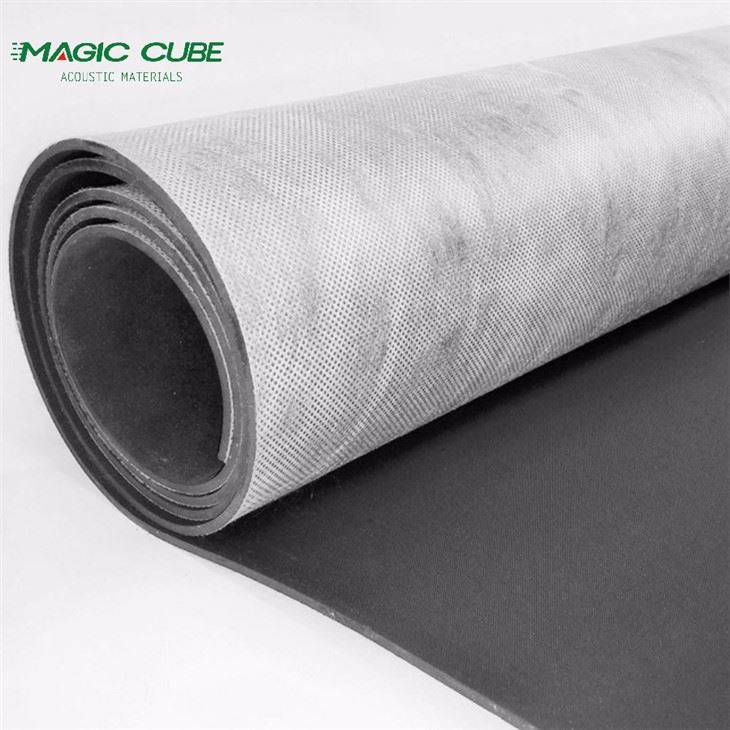
- Rubber Sound Dampening Sheet: Rubber sound dampening sheets are made from high-quality rubber materials and are used to reduce vibrations and noise transmission in a variety of applications, including automotive, industrial, and residential settings. These sheets can be applied to floors, walls, and machinery to absorb and dampen sound energy, reducing the impact of noise on the surrounding environment.
Choosing the Right Sound Insulation Product
When choosing a sound insulation product, it is important to consider several factors, including the specific application, the level of sound insulation required, and the budget. Here are some tips to help you choose the right sound insulation product for your needs:
- Determine your requirements: Before selecting a sound insulation product, it is important to determine the specific requirements of your project. This may include the type of noise you are trying to block, the level of sound insulation required, and the location of the installation.
- Research different products: There are a wide variety of sound insulation products available in the market, each with its own unique features and benefits. Research different products and compare their performance, cost, and installation requirements to find the one that best meets your needs.
- Consider the installation process: Some sound insulation products may require professional installation, while others can be installed by DIY enthusiasts. Consider the installation process and whether you have the necessary skills and tools to install the product yourself.
- Check for certifications and warranties: Look for sound insulation products that have been tested and certified to meet industry standards. Additionally, check for warranties and guarantees to ensure that you are protected in case of any defects or issues with the product.
Contact Us for Sound Insulation Solutions
If you are interested in learning more about sound insulation products and solutions, or if you have a specific project in mind, please do not hesitate to contact us. As a leading supplier of sound insulation products, we have the expertise and experience to help you find the right solution for your needs. Our team of experts can provide you with detailed information about our products, offer professional advice on installation and design, and assist you with any questions or concerns you may have.

Whether you are looking to improve the sound insulation in your home, office, or commercial building, we have the products and solutions to meet your needs. Contact us today to discuss your requirements and to request a free quote.
References
- Beranek, Leo L. Noise and Vibration Control. McGraw-Hill, 1971.
- Craik, R. J. Acoustics: An Introduction. Cambridge University Press, 2004.
- Fahy, Frank J. Sound and Structural Vibration: Radiation, Transmission, and Response. Academic Press, 2004.