

Hey there, fellow library lovers and those in the hunt for top - notch sound insulation! I'm part of a sound insulation supplier team, and today, I'm super excited to chat about the best sound insulation solutions for libraries.
Libraries are like quiet havens where people go to read, study, and soak up knowledge. But unwanted noise can really mess up that peaceful atmosphere. Whether it's the chatter from the hallway, the sound of traffic outside, or the clatter of footsteps, all these noises can be a real distraction. So, what can we do to keep libraries quiet? Let's dive in!
1. Butyl Rubber Mat
One of the first solutions I'd like to talk about is the Butyl Rubber Mat. This stuff is amazing. Butyl rubber has some unique properties that make it a great sound insulator.
First off, it's really flexible. You can easily cut it to fit different spaces in the library. Whether you're looking to line the walls of a study room, put it under the carpets, or even use it in the ceiling, the butyl rubber mat can be shaped to your needs.
It's also very dense. Sound waves have a hard time passing through it. When sound hits the butyl rubber mat, a lot of the energy is absorbed and converted into heat. This reduces the amount of sound that can travel through to the other side. For example, if there's a noisy area near a library entrance, installing a butyl rubber mat on the floor can significantly cut down the sound of people walking in and out.
Another great thing about butyl rubber mats is that they are durable. They can withstand a lot of wear and tear, which is important in a high - traffic area like a library. You won't have to worry about replacing them frequently, which saves both time and money in the long run.
2. Soundproof Panel
Next up, we have the Soundproof Panel. These panels are a popular choice for libraries, and for good reason.
Soundproof panels are designed to absorb sound. They are usually made of materials like fiberglass, mineral wool, or acoustic foam. These materials have tiny pores that trap sound waves. When sound enters these pores, it bounces around and loses its energy.
There are different types of soundproof panels available. Some are designed for high - frequency sounds, like the screeching of chairs or the high - pitched voices. Others are better at absorbing low - frequency sounds, such as the rumble of traffic outside. You can choose the right type of panel based on the specific noise problems in your library.
Installing soundproof panels is also relatively easy. You can mount them on the walls or ceilings. They come in different sizes and colors, so you can choose ones that match the library's decor. For instance, if your library has a modern look, you can go for sleek, black soundproof panels. If it's a more traditional library, wooden - looking panels might be a better fit.
3. Rubber Sound Dampening Sheet
The Rubber Sound Dampening Sheet is another excellent solution for libraries. These sheets work in a similar way to the butyl rubber mat, but they have their own unique features.
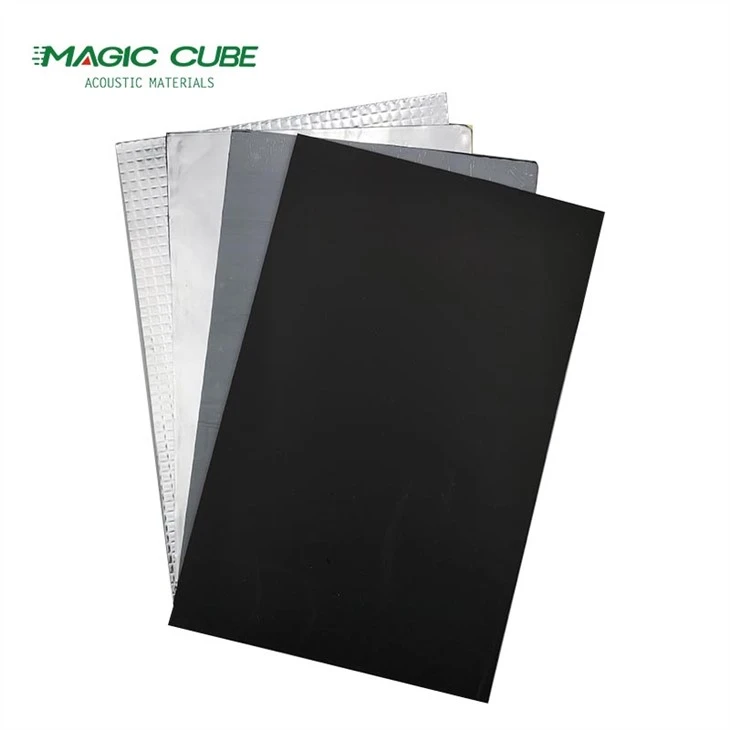

Rubber sound dampening sheets are great at reducing vibrations. In a library, vibrations can be caused by things like air conditioning units, elevators, or even people walking on the floor above. These vibrations can then turn into noise that disturbs the readers. The rubber sound dampening sheet can absorb these vibrations and prevent them from turning into audible sound.
They are also very easy to install. You can simply stick them on the surfaces where the vibrations are coming from. For example, if you have an air conditioning unit near the library, you can attach a rubber sound dampening sheet to the walls or the unit itself to reduce the noise.
These sheets are also resistant to moisture and chemicals. This is important in a library environment where there might be spills or humidity. You don't have to worry about the sheets getting damaged easily.
4. Sealing and Weatherstripping
Don't underestimate the power of sealing and weatherstripping! Even the smallest gaps around doors and windows can let in a lot of noise. By using weatherstripping materials, like rubber or foam strips, you can seal these gaps and keep the noise out.
For doors, you can install door sweeps at the bottom. These sweeps create a tight seal when the door is closed, preventing sound from leaking in or out. For windows, you can use window caulking to seal any cracks or gaps. This simple and cost - effective solution can make a big difference in the overall sound insulation of the library.
5. Acoustic Ceiling Tiles
Acoustic ceiling tiles are a great addition to any library. They are designed to absorb sound and reduce echo. In a large library space, sound can bounce off the ceiling and create a noisy and chaotic environment. Acoustic ceiling tiles can help to break up these sound waves and make the space quieter.
These tiles come in different styles and patterns. You can choose ones that not only improve the sound quality but also enhance the aesthetic appeal of the library. They are also easy to install and can be replaced if they get damaged.
Why Choose Our Sound Insulation Solutions?
As a sound insulation supplier, we take pride in offering high - quality products. Our butyl rubber mats, soundproof panels, and rubber sound dampening sheets are made from the best materials. We test them rigorously to ensure they meet the highest standards of sound insulation.
We also offer excellent customer service. Our team is always ready to help you choose the right products for your library. We can provide you with installation guides and advice on how to get the best results.
If you're interested in improving the sound insulation of your library, we'd love to talk to you. Whether you're a small community library or a large university library, we have the solutions for you.
Contact us today to start the conversation about how we can make your library a quieter and more peaceful place. We're looking forward to working with you to create the perfect sound - free environment for all the bookworms out there!
References
- "Acoustics for Dummies" by Jeff Strong
- "Soundproofing Your Home and Office" by David M. Torpey
- Industry reports on sound insulation materials and their applications