

Hey there! As a supplier of solid wood diffusers, I often get asked about how these nifty devices can impact the humidity in a room. It's a fascinating topic, and I'm excited to break it down for you.
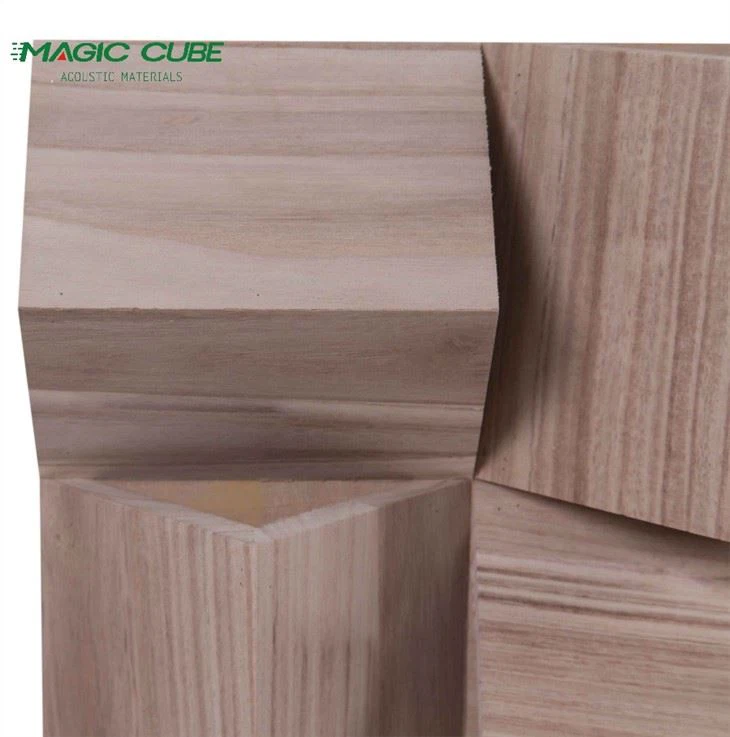
Let's start with the basics. First off, what exactly is a solid wood diffuser? Simply put, it's a diffuser crafted from high - quality solid wood. You can check out our range of Solid Wood Diffuser. These beauties not only look great but also serve multiple functions.
Now, onto the main question: how does a solid wood diffuser affect room humidity? Well, it all comes down to the properties of wood and how the diffuser operates.
Wood has a natural ability to absorb and release moisture. It acts like a small, natural humidity regulator. When the air in the room is humid, the solid wood in the diffuser can absorb some of that excess moisture. The wood fibers have tiny pores that can soak up water vapor. This is similar to how a sponge soaks up water, but on a much smaller scale.
On the flip side, when the air is dry, the wood can release the moisture it has stored. This process helps to increase the humidity in the room. It's a slow and steady process, though, not like flipping a switch.
But that's not the whole story. Most solid wood diffusers are also used to disperse essential oils. When you add water and essential oils to the diffuser's reservoir and turn it on, it creates a fine mist. This mist is then released into the air, adding moisture to the room.
Let's look at the science behind it. When water in the diffuser is broken into tiny droplets, it rapidly evaporates. Evaporation is a process where liquid turns into vapor. When water evaporates from the mist created by the diffuser, it mixes with the air in the room, increasing its humidity.
However, the impact on humidity can vary depending on several factors. The size of the room is a big one. In a small room, a solid wood diffuser can have a more noticeable effect on humidity. There's less volume of air to affect, so the moisture added by the diffuser can make a bigger difference. For example, in a small bedroom, you might start to feel the air getting a bit more humid after leaving the diffuser on for an hour or so.
In a large room, like a big living room or a commercial space, the diffuser's impact might be less obvious. There's a whole lot more air in the room, and it takes longer for the added moisture to spread and make a significant change in humidity levels.
The type of wood used in the diffuser also matters. Different woods have different abilities to absorb and release moisture. For instance, some woods are more porous than others. Highly porous woods can absorb and release more moisture compared to less porous ones. This is something we take into account when we're making our Wood Acoustic Diffuser Panel. We select the best woods to optimize not only the acoustic performance but also the humidity - regulating properties.
Another factor is how often you use the diffuser. If you run it continuously for long periods, it'll add more moisture to the room over time. But if you only use it sporadically, the impact on humidity will be less significant.
Now, let's talk about the benefits of having the right humidity levels in a room and how a solid wood diffuser can help achieve that.
Proper humidity levels are crucial for our health and comfort. When the air is too dry, it can cause a bunch of problems. Dry skin is a common issue. You might notice your skin feeling tight, itchy, or even cracking. Dry air can also irritate your eyes, making them feel dry and scratchy. And let's not forget about our respiratory system. Dry air can dry out the mucous membranes in our noses and throats, making us more susceptible to colds, flu, and other respiratory infections.
A solid wood diffuser can help alleviate these problems by adding moisture to the air. By maintaining a proper humidity level, typically between 30% - 50%, it keeps our skin hydrated, soothes our eyes, and helps our respiratory system stay in good shape.
In addition to the health benefits, controlling humidity can also protect your furniture and other items in the room. Wood furniture, for example, can warp or crack in very dry conditions. By keeping the humidity at a reasonable level with a solid wood diffuser, you can help preserve the integrity of your valuable furniture.
And if you're an audiophile, you'll be happy to know that some solid wood diffusers, like our Diffuser Sound Absorber, can also improve the acoustics of a room. The sound - diffusing properties work hand - in - hand with the humidity - regulating function.
So, how do you make the most of your solid wood diffuser to control humidity?
First, place the diffuser in a central location in the room. This helps the mist spread evenly throughout the space. You don't want to put it in a corner where the mist might not reach all parts of the room.
Second, pay attention to the amount of water you add to the diffuser. If you want to increase humidity significantly, you can add more water. But be careful not to overdo it, as this could lead to excessive humidity, which can encourage mold growth.
Finally, consider using the diffuser in combination with a hygrometer. A hygrometer is a simple device that measures the humidity in a room. By checking the humidity regularly and adjusting your diffuser's usage accordingly, you can maintain the perfect humidity level in your room.
In conclusion, a solid wood diffuser can have a noticeable impact on the humidity in a room. Thanks to the natural moisture - absorbing and releasing properties of wood, along with the addition of moisture through the mist, it can help keep the air in your room at a comfortable and healthy humidity level.
If you're interested in learning more about our solid wood diffusers or are looking to make a purchase for your home or business, don't hesitate to reach out. We're more than happy to answer any questions you might have and discuss how our products can meet your needs.

References
- "The Science of Wood and Moisture" - Wood Products Research Journal
- "Health Effects of Indoor Humidity" - Journal of Environmental Health Sciences