

Acoustic fabric panels have emerged as a popular solution for sound management in various spaces, and hallways are no exception. As a supplier of high - quality acoustic fabric panels, I've witnessed firsthand the transformative power these panels can have on hallway acoustics. In this blog, I'll delve into how acoustic fabric panels work in a hallway, exploring the science behind their operation, the benefits they offer, and practical considerations for installation.
The Science of Sound Absorption
To understand how acoustic fabric panels work in a hallway, we first need to grasp the basic principles of sound absorption. Sound is a form of energy that travels in waves through the air. When these sound waves encounter a surface, several things can happen: they can be reflected, transmitted, or absorbed.
Reflected sound waves bounce off the surface and continue to travel through the space, which can lead to echoes and reverberation. Transmitted sound waves pass through the surface and into another area. Absorbed sound waves, on the other hand, are converted into heat energy within the material.
Acoustic fabric panels are designed to maximize sound absorption. They typically consist of a porous material, such as fiberglass or mineral wool, encased in a fabric cover. The porous structure of the core material provides a large number of tiny air pockets. When sound waves enter these air pockets, they cause the air molecules inside to vibrate. This vibration is then converted into heat energy through friction, effectively reducing the energy of the sound wave and preventing it from being reflected back into the space.
The fabric cover serves multiple purposes. Firstly, it protects the core material from damage and provides a more aesthetically pleasing appearance. Secondly, it can also contribute to the overall sound - absorbing properties of the panel. The fabric can help to diffuse the sound waves as they approach the panel, allowing them to penetrate the core material more effectively.
Benefits of Acoustic Fabric Panels in Hallways
Reducing Echoes and Reverberation
One of the most significant benefits of installing acoustic fabric panels in a hallway is the reduction of echoes and reverberation. Hallways are often long, narrow spaces with hard surfaces, such as walls and floors, which can cause sound to bounce back and forth. This can make it difficult to have a clear conversation or even hear oneself think.
By absorbing sound waves, acoustic fabric panels break up the reflections and reduce the amount of reverberation in the hallway. This creates a more pleasant and comfortable environment for both residents and visitors. For example, in a residential hallway, reduced echoes can make it easier to communicate with family members as they move through the space. In a commercial building, such as an office or a hotel, it can enhance the overall customer experience by providing a quieter and more serene atmosphere.
Improving Speech Intelligibility
In addition to reducing echoes, acoustic fabric panels can also improve speech intelligibility in hallways. When sound is reverberant, it can be challenging to distinguish individual words and phrases. This is particularly problematic in areas where important announcements or instructions may be given, such as in schools or hospitals.
Acoustic fabric panels absorb the excess sound energy, allowing speech to be heard more clearly. This is especially beneficial in hallways that are used as thoroughfares between different rooms or areas, as it ensures that messages can be conveyed effectively without being distorted by background noise.
Enhancing Aesthetics
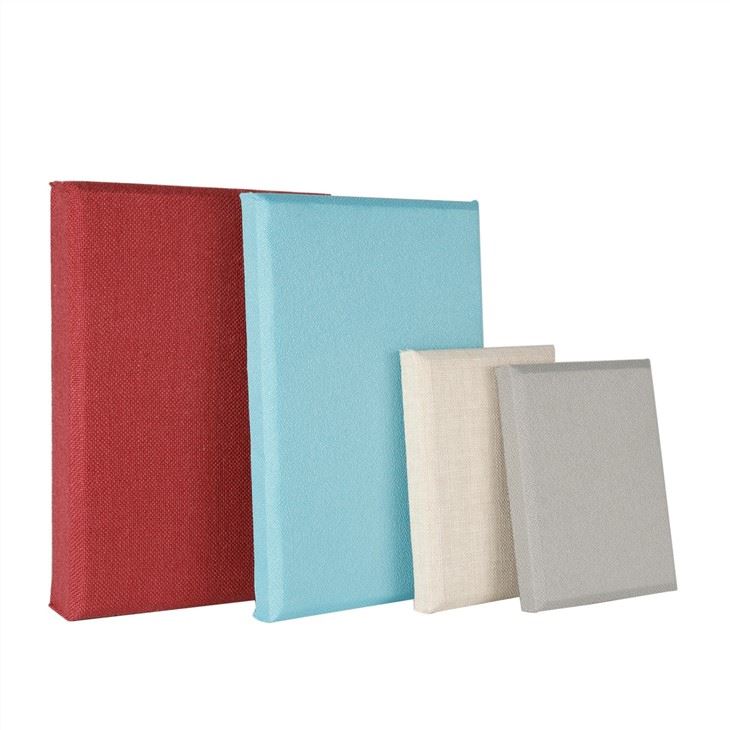
Acoustic fabric panels are available in a wide range of colors, patterns, and textures, making them a versatile option for enhancing the aesthetics of a hallway. Unlike traditional sound - absorbing materials, which can be unsightly, fabric - covered panels can be customized to match the existing decor of the space.
Whether you're looking for a modern, minimalist look or a more traditional style, there's an acoustic fabric panel to suit your needs. For instance, a hallway in a contemporary office building might benefit from sleek, monochromatic panels, while a historic home could use panels with a more ornate fabric design to complement the architecture. You can explore different options on our Acoustic Celling Fabric Wall page.
Energy Efficiency
Although not as obvious as the sound - related benefits, acoustic fabric panels can also contribute to energy efficiency in a hallway. By reducing the amount of sound that escapes from the hallway into other areas of the building, they can help to create a more thermally insulated environment.
Sound waves carry energy, and when they are absorbed by the panels, less energy is transferred through the walls and ceilings. This can result in lower heating and cooling costs, as the building's HVAC system doesn't have to work as hard to maintain a comfortable temperature.
Practical Considerations for Installation
Placement
The placement of acoustic fabric panels in a hallway is crucial for achieving optimal sound - absorbing results. As a general rule, it's best to install the panels on the walls where sound reflections are most likely to occur. This often includes the long walls of the hallway, as well as any areas near the ends or corners where sound can bounce back and forth.
In some cases, it may also be beneficial to install panels on the ceiling, especially if the hallway has a high ceiling or if there are a lot of hard surfaces overhead. However, ceiling installation may require additional support and safety considerations, so it's important to consult with a professional if you're unsure.
Panel Size and Quantity
The size and quantity of acoustic fabric panels needed for a hallway depend on several factors, including the size of the hallway, the level of sound absorption required, and the specific properties of the panels. Larger panels generally provide more surface area for sound absorption, but they may not be suitable for all hallways, especially those with limited wall space.
A good way to determine the appropriate panel size and quantity is to conduct a sound analysis of the hallway. This can involve measuring the reverberation time and identifying the areas with the most significant sound reflections. Based on this analysis, a professional acoustic consultant can recommend the optimal panel configuration.
Installation Method
There are several methods for installing acoustic fabric panels in a hallway, including direct mounting, furring strip mounting, and suspension mounting. Direct mounting involves attaching the panels directly to the wall using adhesive or mechanical fasteners. This is a relatively simple and cost - effective method, but it may not be suitable for all wall surfaces.
Furring strip mounting involves installing a framework of wooden or metal strips on the wall and then attaching the panels to the furring strips. This method allows for better ventilation behind the panels and can be used on uneven or irregular wall surfaces.
Suspension mounting is typically used for ceiling installation or in situations where a more flexible installation is required. The panels are suspended from the ceiling using wires or cables, which can create a floating effect and add an interesting visual element to the hallway.

Conclusion
Acoustic fabric panels offer a practical and effective solution for improving the acoustics of a hallway. By understanding the science behind sound absorption and considering the benefits and practical aspects of installation, you can create a more comfortable, functional, and aesthetically pleasing hallway environment.
If you're interested in learning more about our Soundproof Fabric Panels or Soundproof Fabric Wall Panels and how they can be tailored to your specific hallway needs, I encourage you to reach out. Our team of experts is ready to assist you with product selection, installation guidance, and any other questions you may have. Contact us today to start the conversation about transforming your hallway with high - quality acoustic fabric panels.
References
Beranek, Leo L. "Acoustics." American Institute of Physics, 1986.
Kuttruff, Heinrich. "Room Acoustics." Spon Press, 2009.
Olson, Harry F. "Acoustical Engineering." Van Nostrand Reinhold Company, 1957.