

As a supplier of Wood Wool Wall Panels, I am often asked whether these panels can be combined with other materials. This question is not only relevant to the aesthetic and functional aspects of interior and exterior design but also to the overall performance and cost - effectiveness of construction projects. In this blog, I will explore the possibilities of combining wood wool wall panels with various other materials, highlighting the benefits and considerations of each combination.
Combining with Gypsum Boards
Gypsum boards are one of the most commonly used building materials due to their affordability, ease of installation, and fire - resistance. When combined with wood wool wall panels, the two materials can create a unique and functional wall system.
The porous nature of wood wool wall panels provides excellent acoustic insulation. By attaching gypsum boards to the back of wood wool panels, we can enhance the fire - resistance of the wall. Gypsum boards have a high water content, which is released as steam when exposed to fire, effectively slowing down the spread of flames. This combination is ideal for commercial buildings, such as offices and schools, where both acoustic comfort and fire safety are crucial.
From an aesthetic perspective, the rough texture of wood wool panels can be complemented by the smooth surface of gypsum boards. This contrast can add depth and visual interest to the interior space. For example, in a modern office lobby, the lower part of the wall can be covered with gypsum boards for a clean and professional look, while the upper part can feature wood wool panels to absorb sound and create a warm, natural atmosphere. You can find more information about our Wood Wool Ceiling Tiles which can also be used in combination with gypsum boards in ceiling applications.
Combining with Glass
Glass is a versatile material that can bring a sense of transparency, light, and modernity to a space. When combined with wood wool wall panels, it can create a striking visual effect.
In a contemporary home or a commercial space like a café, glass partitions can be paired with wood wool wall panels. The glass allows light to penetrate the space, while the wood wool panels absorb sound, reducing echo and creating a more comfortable environment. This combination is also useful in creating private areas within an open - plan space. For instance, a glass - enclosed meeting room in an office can be surrounded by wood wool wall panels on the exterior walls to ensure privacy and acoustic isolation.
Another option is to use glass as a protective layer over wood wool panels. This can be particularly useful in high - traffic areas or in spaces where the wood wool panels may be exposed to damage. The glass not only protects the panels but also adds a layer of sophistication to the design. Our Wood Wool Ceiling can be combined with glass elements in ceiling designs to create a unique and functional space.
Combining with Metal
Metal, such as aluminum or steel, is known for its strength, durability, and modern appearance. When combined with wood wool wall panels, it can result in a robust and stylish wall system.
In industrial - style interiors, metal frames can be used to support and accentuate wood wool wall panels. The metal frames can provide structural support, especially in large - scale installations. They can also add a geometric element to the design, creating a dynamic and contemporary look. For example, in a loft apartment, a metal grid frame can be used to hold wood wool panels in place, creating a partition wall that combines the warmth of wood with the coolness of metal.
Metal can also be used as a decorative element on wood wool panels. For instance, metal strips or accents can be added to the edges of the panels to enhance their visual appeal. This combination is suitable for both interior and exterior applications. In exterior facades, metal cladding can be combined with wood wool panels to create a weather - resistant and aesthetically pleasing wall. Our Wood Wool Ceiling Acoustic Panel can also be integrated with metal elements in ceiling designs for a unique look.
Combining with Stone
Stone is a natural and durable material that can bring a sense of luxury and stability to a space. When combined with wood wool wall panels, it can create a harmonious blend of natural materials.
In a high - end residential or commercial project, stone veneers can be used in combination with wood wool wall panels. The stone can be used on the lower part of the wall, providing a solid and elegant base, while the wood wool panels can be installed on the upper part to add warmth and acoustic insulation. This combination can be seen in luxury hotels or high - end restaurants, where the combination of stone and wood wool creates a sophisticated and comfortable environment.

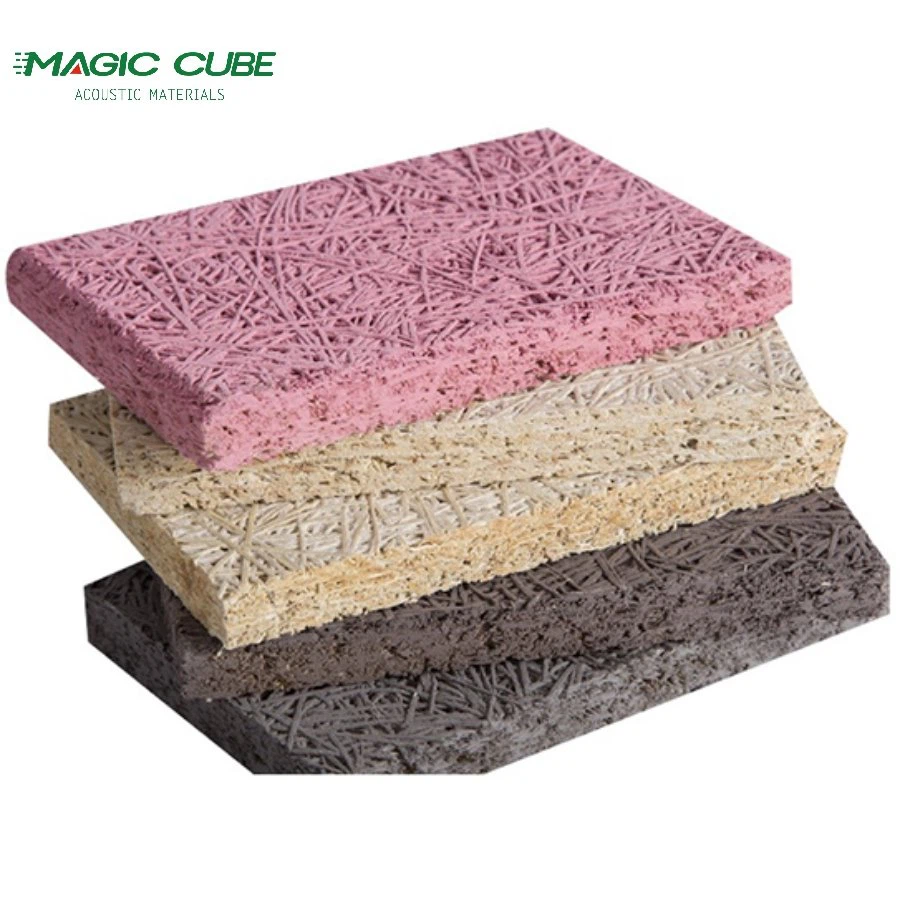
The texture of stone and wood wool also contrasts nicely. The smooth, polished surface of the stone can be juxtaposed with the rough, fibrous texture of the wood wool panels, adding visual interest to the space.
Considerations When Combining Materials
While the combinations mentioned above offer numerous benefits, there are also some considerations to keep in mind.
Firstly, compatibility is crucial. Different materials have different expansion and contraction rates due to changes in temperature and humidity. For example, glass and wood wool have different coefficients of thermal expansion. Therefore, proper installation techniques and the use of appropriate sealants and fasteners are necessary to prevent cracking or separation of the materials over time.
Secondly, maintenance requirements vary for each material. Wood wool panels may require periodic cleaning to maintain their acoustic performance, while glass may need to be cleaned regularly to keep it looking clear. Metal may need to be protected from corrosion, and stone may require sealing to prevent staining.
Finally, cost is an important factor. Some materials, such as glass and stone, can be relatively expensive, while wood wool panels are generally more affordable. When planning a combination, it is essential to balance the desired aesthetic and functional outcomes with the budget.
Conclusion
In conclusion, wood wool wall panels can be effectively combined with a variety of other materials, including gypsum boards, glass, metal, and stone. These combinations offer a wide range of aesthetic and functional benefits, from acoustic insulation and fire safety to visual interest and modern design. As a supplier of Wood Wool Wall Panels, I encourage architects, designers, and contractors to explore these possibilities in their projects.
If you are interested in using our Wood Wool Wall Panels in combination with other materials for your next project, I invite you to contact us for a detailed discussion. We can provide technical support, samples, and pricing information to help you make the best decision for your specific needs. Let's work together to create unique and functional spaces with the combination of wood wool wall panels and other materials.
References
- Building Materials Handbook, various editions
- Architectural Design and Acoustics: A Practical Guide
- Interior Design Magazine, multiple issues on material combinations