

Can acoustic fabric panels be used in recording studios? You bet they can! As a supplier of Acoustic Fabric Panels, I've seen firsthand how these panels can transform a recording studio into a sound - perfect environment.

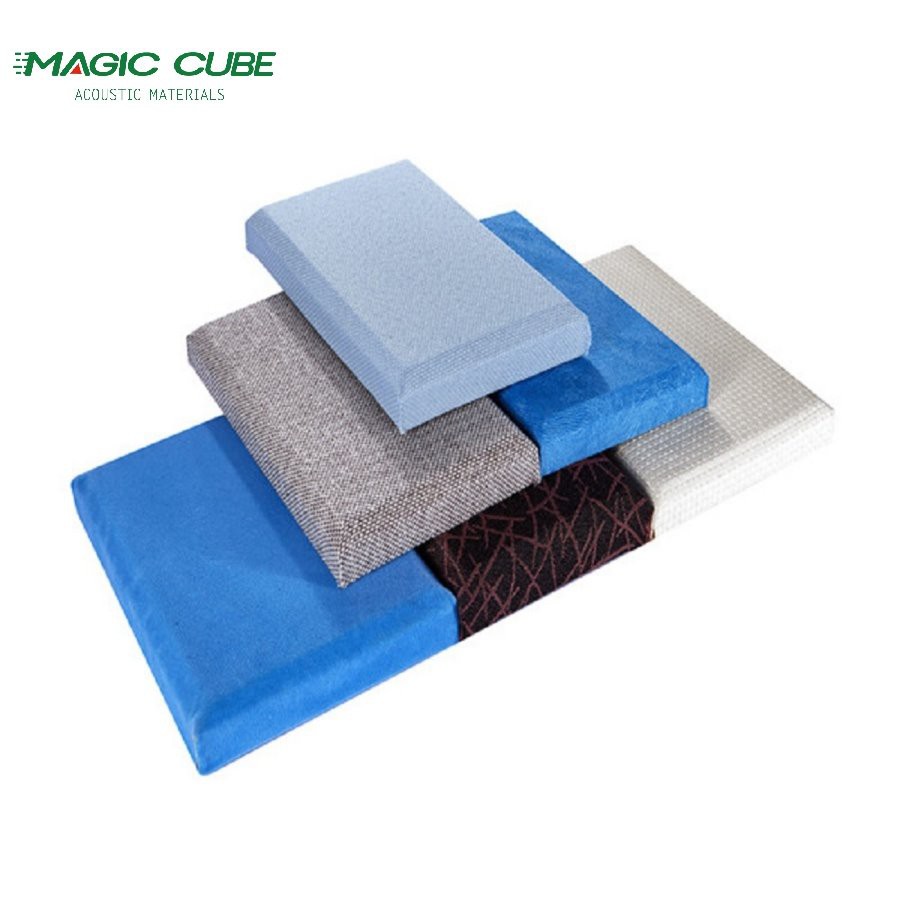
Let's start by understanding what acoustic fabric panels are. These are essentially panels made with a fabric covering over a sound - absorbing core material. The fabric gives them an aesthetically pleasing look, while the core does the heavy lifting in terms of sound management.
One of the primary issues in a recording studio is sound reflection. When sound waves bounce off hard surfaces like walls, floors, and ceilings, they create echoes and reverberations. These can make the recorded audio sound muddy, unfocused, and just plain bad. Acoustic fabric panels are designed to absorb these sound waves, reducing reflections and creating a more controlled acoustic environment.
For example, in a small recording studio, the close proximity of the walls can cause sound to bounce back and forth rapidly. This can lead to comb filtering, where certain frequencies are boosted or cancelled out, resulting in an uneven frequency response. By installing acoustic fabric panels on the walls and ceilings, we can break up these reflections and smooth out the frequency response. This makes the recorded sound cleaner, more natural, and easier to work with during the mixing process.
Another key benefit of using acoustic fabric panels in recording studios is their ability to control low - frequency sound. Low frequencies tend to travel further and are more difficult to absorb than high frequencies. However, many acoustic fabric panels are designed with special core materials that can effectively absorb low - frequency sound. This is crucial in a recording studio, as bass frequencies are often a dominant part of the audio. Without proper low - frequency control, the bass can sound boomy and out of control.
Now, let's talk about the different types of acoustic fabric panels available. We offer Soundproof Fabric Panels, which are great for blocking out external noise as well as reducing internal reflections. These panels are made with high - density core materials and a tight - weave fabric, which helps to trap sound waves and prevent them from passing through.
Hexagon Acoustic Tiles are another popular option. Their unique hexagonal shape not only looks cool but also helps to scatter sound waves in different directions. This can be particularly useful in a recording studio, as it can create a more diffuse acoustic field, reducing the likelihood of standing waves and other acoustic anomalies.
And then there are Soundproof Fabric Wall Panels. These are designed specifically for wall installation and come in a variety of sizes and colors. They can be easily mounted on the walls using adhesive or mounting brackets, making them a convenient and cost - effective solution for acoustic treatment.
When it comes to installation, acoustic fabric panels are relatively easy to install. Most panels come with pre - drilled holes or mounting hardware, which makes it a straightforward process. Even if you're not a professional installer, you can usually install these panels yourself with a little bit of basic DIY knowledge.
In terms of aesthetics, acoustic fabric panels are a great choice for recording studios. They come in a wide range of colors, patterns, and textures, so you can choose the ones that best match the style of your studio. Whether you're going for a modern, minimalist look or a more traditional, warm aesthetic, there's an acoustic fabric panel that will fit the bill.
But how do you know which acoustic fabric panels are right for your recording studio? Well, it depends on a few factors. First, you need to consider the size and shape of your studio. A larger studio may require more panels or larger panels to achieve the desired acoustic effect. The type of music or audio you'll be recording also matters. For example, if you're recording a lot of live drums, you'll need panels that can handle high - energy, low - frequency sound.
Another important factor is your budget. Acoustic fabric panels come in a range of prices, depending on their size, quality, and features. It's important to find a balance between getting the best acoustic performance and staying within your budget.
As a supplier, we're here to help you make the right choice. We can provide you with detailed information about our products, including their acoustic performance, installation instructions, and pricing. We can also offer custom - made panels if you have specific requirements for your recording studio.
If you're in the market for acoustic fabric panels for your recording studio, I encourage you to get in touch with us. We can have a chat about your needs, answer any questions you may have, and provide you with a quote. Whether you're a professional recording engineer or a hobbyist just starting out, our acoustic fabric panels can make a big difference in the quality of your recordings.
In conclusion, acoustic fabric panels are an excellent choice for recording studios. They offer a range of benefits, from reducing sound reflections and controlling low - frequency sound to enhancing the aesthetics of the studio. With the different types of panels available, like Soundproof Fabric Panels, Hexagon Acoustic Tiles, and Soundproof Fabric Wall Panels, you can find the perfect solution for your specific needs. So, don't hesitate to reach out and let's start creating the perfect acoustic environment for your recording studio.
References
- Acoustics for the Home Recording Studio: A Practical Guide, by Ethan Winer
- Sound System Engineering, by Don and Carolyn Davis