

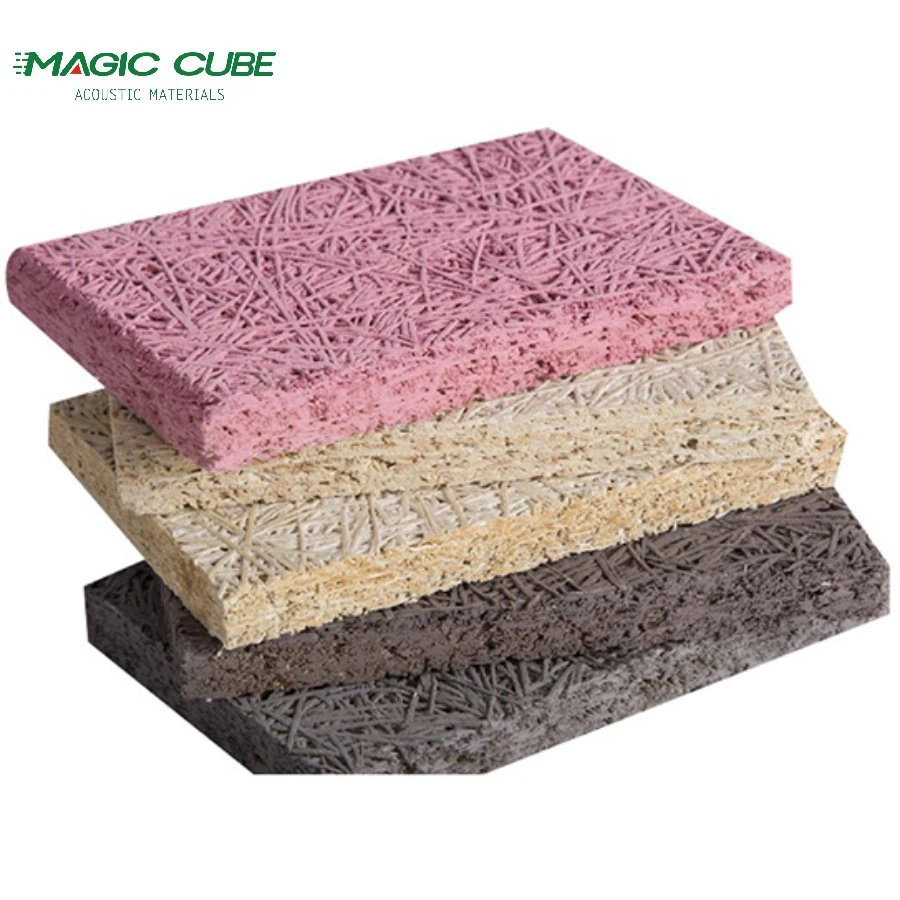
Wood wool wall panels are a popular choice for both residential and commercial spaces due to their unique aesthetic appeal, acoustic properties, and environmental friendliness. However, like any other building material, they can get damaged over time. As a supplier of high - quality wood wool wall panels, I understand the importance of maintaining these panels to ensure their longevity and functionality. In this blog, I'll share some effective ways to repair damaged wood wool wall panels.

Assessing the Damage
Before you start any repair work, it's crucial to assess the extent of the damage. Minor scratches and surface abrasions are relatively easy to fix, while more severe damage such as large holes or deep cracks may require more extensive repairs.
Inspect the panel carefully. Look for signs of water damage, which can cause the wood wool to swell and lose its structural integrity. Check for loose or detached sections of the panel. If the damage is limited to the surface, you may be able to use simple repair methods. But if the damage has penetrated deep into the panel, you might need to consider replacing the affected area.
Repairing Minor Scratches and Abrasions
For minor scratches and surface abrasions, the first step is to clean the damaged area. Use a soft, dry cloth to remove any dust or debris. If there are stubborn stains, you can dampen the cloth slightly with a mild wood cleaner. Make sure to dry the area thoroughly afterward.
Once the area is clean, you can use a wood filler that matches the color of your wood wool panel. Apply the filler to the scratch or abrasion using a putty knife. Smooth the filler over the damaged area, making sure it is level with the surrounding surface. Let the filler dry according to the manufacturer's instructions. After it has dried, sand the area gently with fine - grit sandpaper to blend it in with the rest of the panel. You can then apply a clear wood finish to protect the repaired area and give it a uniform appearance.
Fixing Small Holes
Small holes in wood wool wall panels can be repaired using a similar approach. First, clean the hole and remove any loose wood wool fibers. Cut a small piece of wood wool from a spare panel or a scrap piece. If you don't have a spare panel, you can also use a Wood Fiber Panel as a source of wood wool.
Insert the piece of wood wool into the hole, packing it tightly. You can use a small dowel or a similar tool to push the wood wool into the hole. Once the hole is filled, apply a wood adhesive around the edges of the hole to secure the wood wool in place. Let the adhesive dry completely. Then, follow the same steps as for scratches and abrasions: apply wood filler, sand the area, and finish it with a clear wood finish.
Addressing Cracks
Cracks in wood wool wall panels can be more challenging to repair, especially if they are deep or wide. For small cracks, you can try using a wood glue. Apply the glue along the crack using a small brush or a syringe. Press the two sides of the crack together firmly and hold them in place until the glue dries. You may need to use clamps or weights to keep the crack closed while the glue sets.
If the crack is wider, you may need to use a combination of wood glue and wood filler. First, apply the glue as described above. Then, once the glue has dried partially, apply wood filler to the crack. Smooth the filler over the crack and let it dry. Sand the area and finish it with a clear wood finish.
In some cases, if the crack is very severe and affects the structural integrity of the panel, it may be necessary to replace the entire panel. This is especially true for panels that are used in areas with high traffic or where they are subject to a lot of stress.
Dealing with Water Damage
Water damage can be a serious issue for wood wool wall panels. If the panel has been exposed to water, it may swell, warp, or develop mold. The first step in dealing with water damage is to identify and fix the source of the water. This could be a leaky roof, a plumbing problem, or high humidity in the area.
Once the source of the water has been fixed, dry the panel as quickly as possible. You can use fans and dehumidifiers to speed up the drying process. If the panel has only minor water damage and has not warped significantly, you can try to restore it. After it is dry, sand the affected area gently to remove any rough spots or discoloration. Then, apply a wood preservative to prevent future water damage and mold growth.
If the water damage is severe and the panel has warped or the wood wool has become too saturated, it is usually best to replace the panel. You can find high - quality replacement panels from a reliable supplier like us.
Replacing a Damaged Panel
If the damage to the wood wool wall panel is beyond repair, replacing the panel is the best option. First, measure the dimensions of the damaged panel accurately. Remove the damaged panel carefully, taking note of how it was installed. This may involve removing nails, screws, or other fasteners.
Install the new panel in the same way as the old one. Make sure it fits snugly and is properly aligned. Secure the panel using the appropriate fasteners. You can then finish the edges of the panel to match the surrounding panels.
Preventive Maintenance
To avoid future damage to your wood wool wall panels, it's important to practice preventive maintenance. Keep the panels clean by dusting them regularly. Avoid exposing them to excessive moisture or direct sunlight, as this can cause the wood wool to deteriorate over time.
If you are using wood wool wall panels in a high - traffic area, consider applying a protective coating to the panels. This can help prevent scratches and abrasions. Also, make sure to address any plumbing or roofing issues promptly to prevent water damage.
In conclusion, repairing damaged wood wool wall panels is a manageable task if you follow the right steps. Whether it's minor scratches, small holes, cracks, or water damage, there are effective ways to restore the panels to their original condition. As a leading supplier of Soundproofing Wall Wood Wool and Wood Wool Ceiling Tiles, we are committed to providing high - quality products and helpful advice to our customers. If you have any questions about wood wool wall panel repair or if you are interested in purchasing our products, please feel free to contact us for further discussion and procurement.
References
- Woodworking for Dummies, by Jeff Strong
- The Complete Guide to Wood Finishing, by Robert W. Lang