

Acoustic fabric panels have emerged as a popular solution for those looking to enhance the sound quality in various spaces, from home theaters to commercial offices. As a supplier of these innovative products, I often encounter a common question: Do acoustic fabric panels block sound completely? In this blog post, we'll delve into the science behind acoustic fabric panels, explore their capabilities, and understand the factors that influence their performance.
Understanding Acoustic Fabric Panels
Acoustic fabric panels are designed to absorb sound waves rather than block them entirely. They consist of a core material, typically made of fiberglass, mineral wool, or recycled polyester, which is encased in a fabric cover. The fabric not only provides an aesthetically pleasing appearance but also allows sound waves to penetrate the panel and be absorbed by the core material.

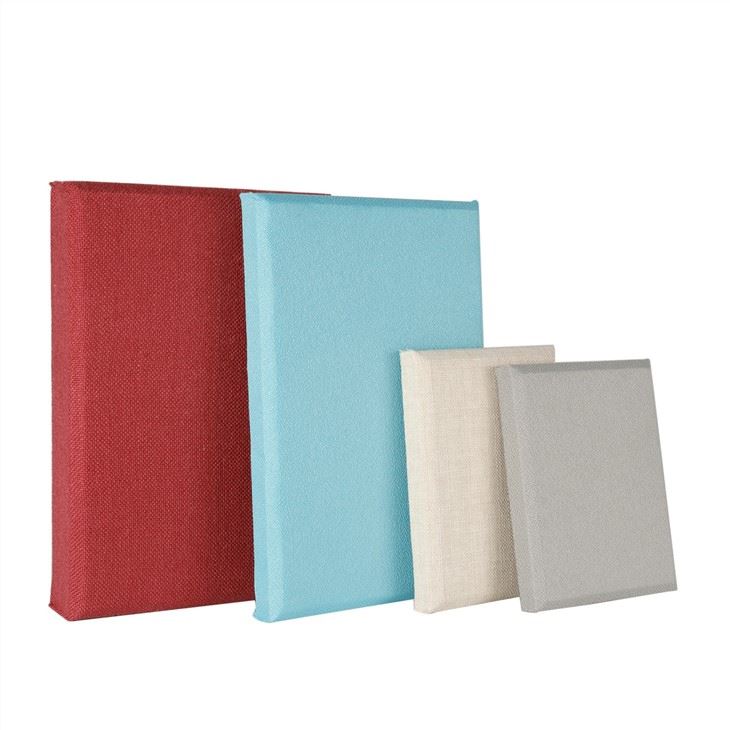
When sound waves hit an acoustic fabric panel, they cause the air molecules within the panel to vibrate. These vibrations are then converted into heat energy through friction, effectively reducing the intensity of the sound waves. This process is known as sound absorption, and it plays a crucial role in improving the acoustic environment of a space.
The Limitations of Sound Blocking
While acoustic fabric panels are excellent at absorbing sound, they are not designed to block sound completely. Sound blocking, also known as sound insulation, requires a different approach. To block sound, you need a dense, heavy material that can prevent sound waves from passing through. Examples of sound-blocking materials include concrete, brick, and mass-loaded vinyl.
Acoustic fabric panels, on the other hand, are relatively lightweight and porous, which makes them ineffective at blocking sound. However, they can still be used in conjunction with sound-blocking materials to create a more comprehensive acoustic solution. For example, you can install acoustic fabric panels on the walls of a room to absorb sound reflections, while also using sound-blocking materials to seal any gaps or cracks in the walls, floor, or ceiling.
Factors Affecting the Performance of Acoustic Fabric Panels
The performance of acoustic fabric panels depends on several factors, including the type of core material, the thickness of the panel, the density of the fabric cover, and the installation method. Let's take a closer look at each of these factors:
- Type of Core Material: The type of core material used in the acoustic fabric panel has a significant impact on its sound absorption capabilities. Fiberglass and mineral wool are two of the most commonly used core materials, as they are highly effective at absorbing sound. Recycled polyester is also a popular choice, as it is environmentally friendly and offers good sound absorption performance.
- Thickness of the Panel: The thickness of the acoustic fabric panel also plays a role in its sound absorption capabilities. Generally, thicker panels are more effective at absorbing low-frequency sounds, while thinner panels are better at absorbing high-frequency sounds. The optimal thickness of the panel depends on the specific acoustic requirements of the space.
- Density of the Fabric Cover: The density of the fabric cover can affect the sound absorption performance of the acoustic fabric panel. A denser fabric cover can help to improve the absorption of high-frequency sounds, while a lighter fabric cover can allow more sound waves to penetrate the panel and be absorbed by the core material.
- Installation Method: The installation method of the acoustic fabric panel can also impact its sound absorption performance. Panels that are installed flush against the wall or ceiling will generally provide better sound absorption than panels that are installed with a gap between the panel and the surface. Additionally, panels that are installed in a pattern or arrangement that maximizes the surface area of the panel exposed to the sound waves will be more effective at absorbing sound.
Applications of Acoustic Fabric Panels
Acoustic fabric panels can be used in a wide range of applications, including:
- Home Theaters: Acoustic fabric panels can help to improve the sound quality in home theaters by reducing sound reflections and echoes. This can create a more immersive viewing experience and make the audio more clear and crisp.
- Commercial Offices: In commercial offices, acoustic fabric panels can help to reduce noise levels and improve speech intelligibility. This can create a more productive and comfortable work environment for employees.
- Recording Studios: Acoustic fabric panels are essential in recording studios to control the acoustic environment and prevent sound reflections from affecting the quality of the recording.
- Restaurants and Bars: Acoustic fabric panels can help to reduce noise levels in restaurants and bars, creating a more pleasant dining and socializing experience for customers.
- Educational Institutions: In schools and universities, acoustic fabric panels can help to improve the acoustic environment in classrooms, lecture halls, and libraries, making it easier for students to learn and focus.
Our Product Range
As a supplier of acoustic fabric panels, we offer a wide range of products to meet the diverse needs of our customers. Our product range includes Soundproof Fabric Panels, Acoustic Fabric Wall Covering, Acoustic Celling Fabric Wall, High Density Fabric Acoustic Panel, and Soundproof Fabric Wall Panels.
Our acoustic fabric panels are made from high-quality materials and are available in a variety of colors and designs to suit any aesthetic. We also offer custom sizing and installation services to ensure that our products fit your specific needs and requirements.
Conclusion
In conclusion, while acoustic fabric panels do not block sound completely, they are highly effective at absorbing sound and improving the acoustic environment of a space. By understanding the science behind acoustic fabric panels and the factors that affect their performance, you can make an informed decision about whether they are the right solution for your acoustic needs.
If you're interested in learning more about our acoustic fabric panels or would like to discuss your specific requirements, please don't hesitate to contact us. We'd be happy to provide you with more information and help you find the perfect acoustic solution for your space.
References
- Beranek, Leo L. "Acoustics." American Institute of Physics, 1954.
- Crocker, Malcolm J., ed. "Encyclopedia of Acoustics." John Wiley & Sons, 1997.
- Kinsler, Lawrence E., et al. "Fundamentals of Acoustics." John Wiley & Sons, 2000.