

Can a Bass Trap Diffuser Reduce Echo in a Room?
As a supplier of Bass Trap Diffusers, I've been frequently asked whether these devices can effectively reduce echo in a room. This question is not only relevant to audiophiles and professional recording studios but also to anyone who wants to improve the acoustics of their living or working space. In this blog post, I'll delve into the science behind bass trap diffusers, explain how they work, and discuss their effectiveness in reducing echo.
Understanding Echo and Its Causes
Before we explore the role of bass trap diffusers, it's essential to understand what echo is and what causes it. Echo occurs when sound waves bounce off hard surfaces, such as walls, floors, and ceilings, and return to the listener's ear after a noticeable delay. This delay creates a distinct repetition of the original sound, which can be distracting and detrimental to the overall audio quality in a room.
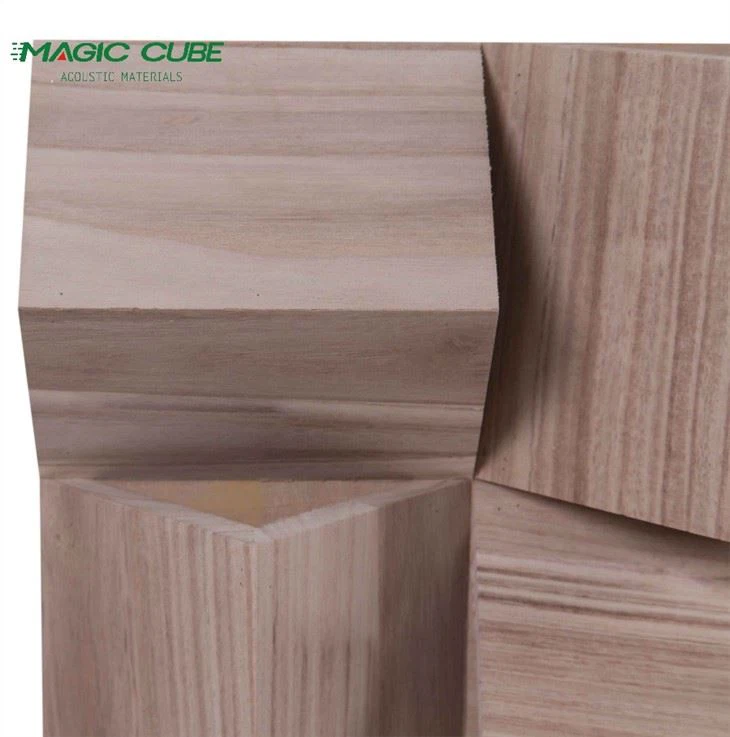

The primary factors that contribute to echo include the size and shape of the room, the materials used in its construction, and the presence of any large, reflective surfaces. For example, a large, empty room with hard, smooth walls is more likely to produce echoes than a smaller room with soft, absorbent materials. Additionally, the frequency of the sound can also affect the perception of echo, with lower frequencies being more prone to long - lasting reverberation.
How Bass Trap Diffusers Work
Bass trap diffusers are specialized acoustic devices that combine the functions of bass traps and sound diffusers. Bass traps are designed to absorb low - frequency sound waves, which are often the most difficult to control in a room. Low - frequency waves have long wavelengths and can easily penetrate through regular sound - absorbing materials. Bass traps use various techniques, such as porous absorption and resonant absorption, to capture and dissipate these low - frequency sounds.
On the other hand, sound diffusers scatter sound waves in multiple directions, rather than allowing them to reflect directly off a surface. This helps to break up the direct reflections and create a more even distribution of sound in the room. By combining these two functions, bass trap diffusers can address both the low - frequency issues and the problem of direct sound reflections that contribute to echo.
The design of a bass trap diffuser typically involves a combination of different materials and structures. For example, the front part of the diffuser may be made of a porous material that allows sound waves to enter, while the interior contains a combination of resonant chambers and diffusing elements. These chambers are tuned to specific frequencies to absorb the low - frequency sound, while the diffusing elements scatter the higher - frequency sound waves.
Effectiveness in Reducing Echo
So, can a bass trap diffuser reduce echo in a room? The answer is yes, but the degree of effectiveness depends on several factors.
Firstly, the placement of the bass trap diffusers is crucial. They should be strategically placed in areas where sound reflections are most likely to occur, such as corners of the room, behind speakers, and near large reflective surfaces. Corners are particularly important for bass trap diffusers because low - frequency sound waves tend to accumulate in these areas. By placing bass trap diffusers in the corners, we can effectively absorb the low - frequency build - up and reduce the overall reverberation time.
Secondly, the size and number of bass trap diffusers needed depend on the size and acoustics of the room. A larger room will generally require more bass trap diffusers to achieve the desired reduction in echo. Additionally, the type of activities that take place in the room also matters. For example, a recording studio may require a more comprehensive acoustic treatment with a larger number of bass trap diffusers compared to a home theater.
Thirdly, the quality of the bass trap diffuser itself plays a significant role. High - quality bass trap diffusers are designed with precision and use advanced materials and construction techniques. They are more effective at absorbing low - frequency sound and scattering high - frequency sound waves, resulting in a more significant reduction in echo.
Comparing with Other Acoustic Solutions
There are other acoustic solutions available in the market, such as Qrd Sound Diffuser, Solid Wood Diffuser, and Diffuser Sound Absorber. Each of these solutions has its own advantages and disadvantages.
Qrd Sound Diffusers are known for their ability to provide a more controlled and predictable diffusion of sound waves. They are often used in professional recording studios and concert halls. However, they may not be as effective in absorbing low - frequency sound as bass trap diffusers.
Solid Wood Diffusers offer a more aesthetically pleasing option, as they can blend well with the interior design of a room. They also provide some degree of sound diffusion, but their low - frequency absorption capabilities are limited.
Diffuser Sound Absorbers combine the functions of diffusion and absorption, but they may not be as specialized as bass trap diffusers in handling low - frequency sound.
Real - World Applications
In real - world applications, bass trap diffusers have been widely used in various settings. In recording studios, they are essential for creating a clean and accurate acoustic environment. By reducing echo and controlling the low - frequency build - up, bass trap diffusers help to ensure that the recorded sound is of high quality, with minimal background noise and reverberation.
In home theaters, bass trap diffusers can significantly enhance the viewing and listening experience. They reduce the echo and make the dialogue more clear, while also improving the overall soundstage and immersion.
In offices and conference rooms, bass trap diffusers can improve the acoustics by reducing the distractions caused by echo. This leads to better communication and increased productivity.
Conclusion
In conclusion, a bass trap diffuser can effectively reduce echo in a room. By combining the functions of bass absorption and sound diffusion, it addresses the two main factors that contribute to echo: low - frequency build - up and direct sound reflections. However, the effectiveness of a bass trap diffuser depends on factors such as placement, size, number, and quality.
If you are looking to improve the acoustics of your room and reduce echo, I encourage you to consider using bass trap diffusers. As a supplier, I have a wide range of high - quality bass trap diffusers that can be customized to meet your specific needs. Whether you are a professional in the audio industry or a homeowner looking to enhance your living space, our products can provide the acoustic solution you are looking for. Contact us to start a discussion about your acoustic requirements and explore how our bass trap diffusers can transform your room.
References
- Beranek, Leo L. "Acoustics." American Institute of Physics, 1986.
- Everest, F. Alton. "Master Handbook of Acoustics." McGraw - Hill Education, 2009.
- Barron, M. R. "Sound Absorption and Diffusion: Theory, Design and Application." Spon Press, 2007.